ESLDO-1

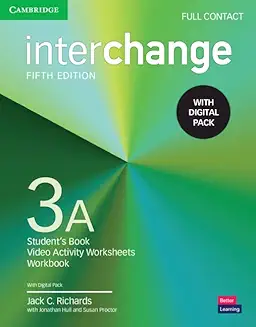
Interchange Intro 3A Book Cover

Why Study ESLDO-1 at Elevation English Academy?

  1. You improve everyday and academic English
    You practice speaking, listening, reading, and writing for daily life and school.
  2. You learn longer sentences and more grammar
    You can describe experiences, talk about your plans, and give your opinion.
  3. Teachers guide you step by step
    The teacher explains clearly, checks your work, and helps when you make mistakes.
  4. You speak English in every class
    You practice real conversations with classmates and the teacher.
  5. You prepare for higher levels
    This course gives you the skills you need for Interchange 3A a
    nd future academic English courses.
Tyler Profile Picture

Teacher: Tyler Pollard

Tyler is a certified teacher with a Masters in Education with over 20 years of ESL experience in higher education (i.e., college and university) both overseas and in Canada. Tyler holds a TESL Canada (Level 3) and both OCELT and ICTEAL certification from TESL Ontario.

Tyler also has a Masters in Teaching English to Other Languages (TESOL) degree with 10+ years of ESL teaching experience internationally and at high schools certified by the Ministry of Education (MOE) in Ontario, Canada. 

Elevation English CEO

Course Overview

01.

Unit 1: That's my kind of friend?
  • pp. 2-7
  • Titles/Topics: Personality types and qualities; relationships; likes and dislikes
  • Speaking: Describing personalities; expressing likes and dislikes; agreeing and disagreeing; complaining
  • Grammar: Relative pronouns as subjects and objects; it clauses + adverbial clauses with when
  • Pronunciation/Listening: Linked sounds; Listening for descriptions of people; listening for opinions
  • Writing/Reading: Writing a description of a good friend; "Social Networks That Aren't for Everyone": Reading about unusual social networking sites

1 chapter

5.5h self-study 

2 classes

2h online 

02.

Unit 2: Working 9 to 5 
  • pp. 8-13
  • Titles/Topics: Jobs; career benefits; job skills; summer jobs
  • Speaking: Talking about possible careers; describing jobs; deciding between two jobs. 
  • Grammar: Gerund phrases as subjects and objects; comparisons with adjectives, nouns, verbs, and past participles. 
  • Pronunciation/Listening: Stress with compound nouns; listening to the good and bad parts of a job; listening for complaints
  • Writing/Reading: Writing about two career choices; "The Perfect Workplace?": Reading about different types of workplaces
  • Progress Check 1&2
  • Quiz 1&2

1 chapter

5.5h self-study 

2 classes

2h online 

03.

Unit 3: Lend a hand
  • pp. 16-21
  • Titles/Topics: Favours; formal and informal requests; messages
  • Speaking: Making direct and indirect requests; accepting and declining requests 
  • Grammar: Requests with modals, if clauses, and gerunds; indirect requests
  • Pronunciation/Listening: Unreleased consonants; listening to people making, accepting, and declining requests
  • Writing/Reading: Writing a message with requests; "Can You Tell It Like It Is?": Reading about talking to friends about difficult topics. 

1 chapter

5.5h self-study 

2 classes

2h online 

04.

Unit 4: What happened?
  • pp. 22-27
  • Titles/Topics: The media; news stories; exceptional events
  • Speaking: Narrating a story; describing events and experiences in the past
  • Grammar: Past continuous vs. simple past; past perfect
  • Pronunciation/Listening: Intonation in complex sentences; listening to news stories; listening to messages and a podcast
  • Writing/Reading: Writing a personal account; "Believing More Than We Should": Reading about the reliability of online content 
  • Progress Check 3&4
  • Quiz 3&4

1 chapter

5.5h self-study 

2 classes

2h online 

05.

Unit 5: Expanding your horizons
  • pp. 30-35
  • Titles/Topics: Cultural comparisons and culture shock; moving abroad; emotions; customs; tourism, and travel abroad
  • Speaking: Talking about moving abroad; expressing emotions; describing cultural expectations; giving advice
  • Grammar: Noun phrases containing relative clauses; expectations: the custom to, (not) supposed to, expected to, (not) acceptable to
  • Pronunciation/Listening: Word stress in sentences; listening for information about living abroad; listening to opinions about customs
  • Writing/Reading: Writing a pamphlet for tourists; "Culture Shock": Reading about moving to another country

1 chapter

5.5h self-study

2 classes

2h online 

06.

Unit 6: That needs fixing
  • pp. 36-41
  • Titles/Topics: Consumer complaints; everyday problems; problems with electronics; repairs
  • Speaking: Describing problems; making complaints; explaining something that needs to be done 
  • Grammar: Describing problems with past participles as adjectives and with nouns; describing problems with need + gerund, need + passive infinitive, and keep + gerund
  • Pronunciation/Listening: Contrastive stress; listening to complaints; listening to people exchange things in a store; listening to a conversation about a "throwaway culture"
  • Writing/Reading: Writing a critical online review; "Ask the Fixer!": Reading about a problem with a ride-sharing service
  • Progress Check 5&6
  • Quiz 5&6

1 chapter

5.5h self-study

2 classes

2h online 

07.

Unit 7: What can we do?
  • pp. 44-49
  • Titles/Topics: The environment; global challenges; current issues
  • Speaking: Identifying and describing problems; coming up with solutions
  • Grammar: Passive in the present continuous and present perfect; prepositions of cause; infinitive clauses and phrases
  • Pronunciation/Listening: Reduction of auxiliary verbs; listening to environmental problems; listening for solutions
  • Writing/Reading: Writing a post on a community website; "Turning an Invasion Into an Advantage": Reading about a creative solution to lionfish on St. Lucia

1 chapter

5.5h self-study

2 classes

2h online 

08.

Unit 8: Never stop learning.
  • pp. 50-55
  • Titles/Topics: Education; learner choices; strategies for learning; life skills
  • Speaking: Asking about preferences; discussing different skills to be learned; talking about learning methods; talking about life skills.
  • Grammar: Would rather and would prefer; by + gerund to describe how to do things
  • Pronunciation/Listening: Intonation in questions of choice; listening to a conversation with a guidance counselor; listening for additional information
  • Writing/Reading: Writing about a skill; "Are You Studying the 'Right Way'?": Reading about different studying styles.
  • Progress Check 7&8
  • Quiz 7&8
  • Review for Midterm (Units 1-8)
  • Midterm Test (Units 1-8)

1 chapter

5.5h self-study

2 classes

2h online 

How to Enroll in ESLDO-1

Are you ready to start learning at Elevation English? 

If so, click the button below to visit our “How to Enroll in a Course” page and follow the steps to join this class!

Frequently asked questions

Do I have to complete the course within 8 Weeks?

Yes, this course has been carefully scheduled to facilitate the course content delivery, interaction, and engagement over 8 weeks. It is expected that you attend all online classes and complete all assigned homework.

What if I have any questions?

If you have any questions about the content of this course, please feel free to contact tyler@elevationenglishacademy.com

Do I need to complete all the assigned homework?

Yes, to pass this course you need to achieve an overall average of 70% on all the homework assignments, quizzes, plus the final exam. When you pass this course, you will be awarded a certificate from Elevation English which will allow you continue to the next level or course. 

How long do I have to wait for feedback for my homework?

Elevation English has a 48-hour policy to grade any submitted homework.   

>